
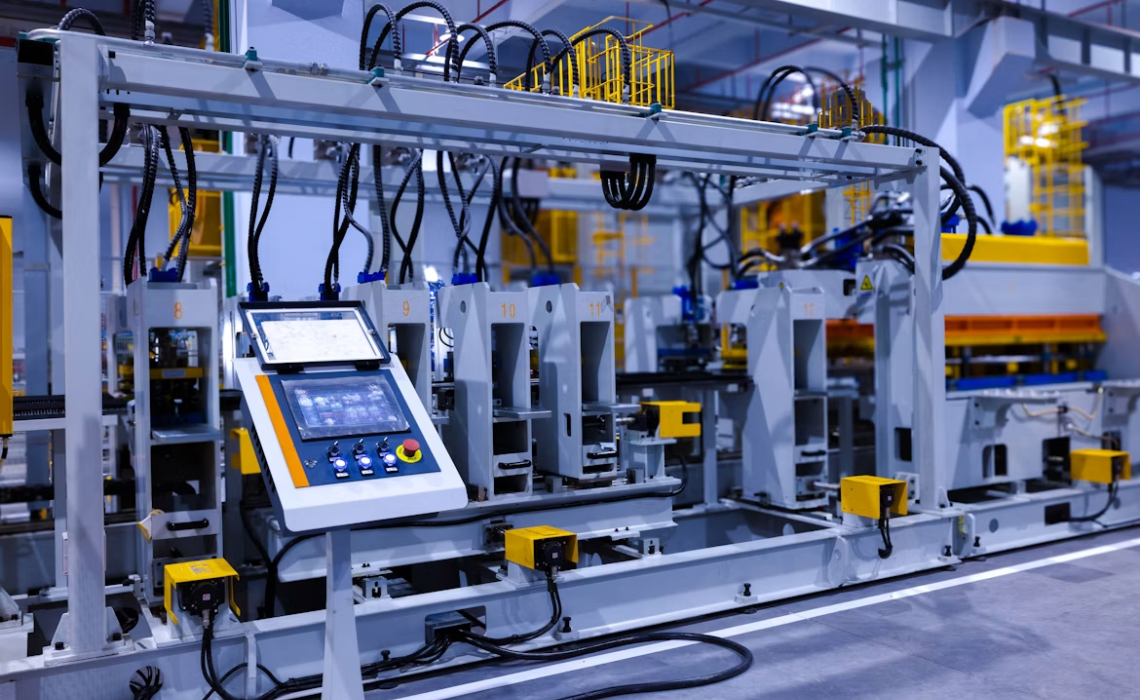
As Alberta business owners enter the final quarter of 2026, capital investment planning has taken on immediate importance. The Department of Finance has tabled draft legislation introducing what is being termed a "Productivity Mega Deduction"—a proposed permanent 100% immediate Capital Cost Allowance (CCA) expensing provision for eligible property acquired on or after September 15, 2026.
If passed, this initiative will allow Canadian businesses to immediately deduct the full cost of qualifying capital assets in the year of acquisition, bypassing standard multi-year depreciation schedules. For Alberta companies looking to upgrade equipment, modernize operations, or expand capacity before year-end, understanding the mechanics of this proposed rule is critical to optimizing cash flow and minimizing corporate income tax.
How the Proposed 100% Write-Off Works
Under standard tax rules, capital assets must be capitalized and depreciated over several years using designated CCA classes, often subject to the half-year rule or phased acceleration rates.
Under the proposed legislation:
-
100% First-Year Deduction: Eligible property acquired on or after September 15, 2026, can be expensed entirely against active business income in the first year.
-
Significant Tax Relief: In Alberta, where the combined corporate tax rate is 11% for small businesses (9% federal + 2% provincial) and 23% for general businesses (15% federal + 8% provincial), an immediate full write-off can substantially lower current-year tax liabilities and preserve working capital.
-
The "Available for Use" Requirement: As with all CCA claims, the property must be delivered and put into service (available for use) before the end of your fiscal year. Equipment ordered in 2026 that arrives in 2027 will not qualify for a 2026 deduction.
What Qualifies: Eligible Capital Assets
The draft legislation specifically targets productive capital investments that enhance efficiency, technological adaptation, and Canadian manufacturing. Qualifying categories include:
-
Machinery and Industrial Equipment: Automated machinery, manufacturing systems, processing units, and fabrication tools (traditionally Classes 43 and 53).
-
Software and Digital Infrastructure: Application software, enterprise management systems, cloud computing hardware, and advanced IT infrastructure (Classes 10, 45, and 50).
-
Greenhouses and Agtech: Commercial greenhouse structures, automated irrigation lines, climate-control technology, and indoor agricultural equipment designed to extend Canadian growing seasons.
-
Oilfield and Field Service Equipment: Compressors, separators, drilling auxiliary components, and specialized service machinery vital to Alberta’s energy and energy-transition sectors.
-
Canadian-Assembled Fleet Vehicles: Commercial vans, service pickups, and delivery vehicles that have undergone final assembly in Canadian manufacturing facilities, reinforcing domestic automotive supply chains.
What Is Excluded?
The Department of Finance has drawn clear boundaries to prevent passive real estate accumulation and non-productive balance sheet transactions. Excluded assets include:
-
Buildings: Traditional commercial, retail, warehouse, and residential rental buildings remain subject to standard declining-balance CCA rates (Class 1 at 4% to 6%).
-
Goodwill and Intangibles: Customer lists, trademarks, quotas, and business goodwill (governed under Class 14.1 cumulative eligible capital rules) do not qualify for immediate 100% expensing.
-
Non-Arm’s Length Property: Assets acquired from related parties or previously owned by affiliated corporations will remain subject to existing anti-churning restrictions to prevent artificial deduction claims.
Planning Year-End Purchases While Legislation Is Pending
Because these changes currently sit as draft legislation before Parliament, Alberta business owners should approach late-2026 acquisitions with a measured, strategic approach:
-
Verify Delivery Timelines: Supply chains can remain volatile. Ensure vendors can deliver, install, and commission equipment before your fiscal year-end to meet the CRA’s statutory "available for use" test.
-
Evaluate Your Effective Tax Bracket: Writing off 100% of an asset is not always the best strategy. If claiming the deduction drops your taxable income below the $500,000 active business threshold, you may be using deductions that shelter income taxed at 11% when they might be more valuable in a higher-income year taxed at the general 23% rate. CCA deductions are discretionary, meaning you can claim any amount from zero up to the maximum permitted.
-
Review Financing and Working Capital: Low-interest equipment financing or lease-to-own arrangements paired with an immediate 100% tax write-off can yield positive net cash flow in year one. Ensure borrowing costs do not outstrip the tax benefit.
-
Build a Contingency Plan: While federal tax changes of this nature are typically enacted with retroactive effect to the announcement date, businesses should work with their CPA to model cash flows under both the proposed 100% rule and regular CCA schedules.
Structuring capital purchases requires balancing operational timelines with long-term tax strategy. Contact our team to review your planned year-end equipment investments and ensure your business maximizes every available incentive.
This blog was written using the assistance of AI.
Want to make sure it all adds up? Connect with us!
At JMH & Co., we are your partner for financial success.
Book an appointment with us or give us a call today.
Medicine Hat (403) 527-4451
Brooks (403) 362-4004
Calgary (403) 261-0835